
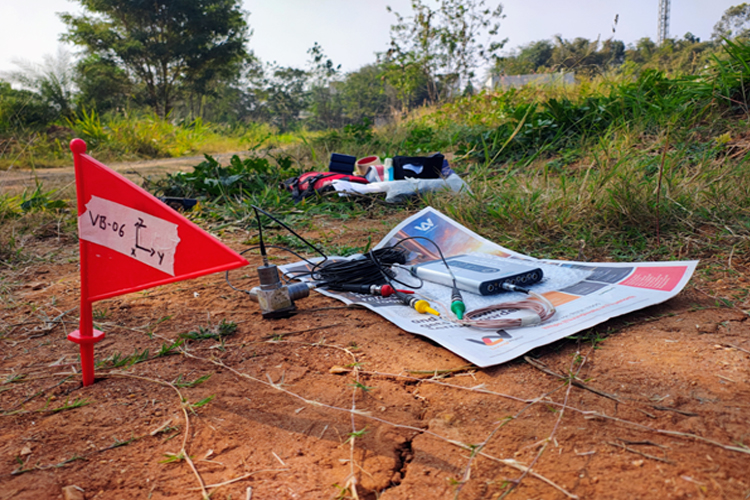
NV Dynamics was commissioned by M/s. Ace Designers to conduct a detailed ground-borne vibration assessment at their Minnapura plant in Nelamangala Taluk, Bengaluru. The study was prompted by plans to establish a new machine shop facility on the premises — one intended to house vibration-sensitive equipment. A key concern is a nearby foundry that periodically conducts shakeout operations, generating ground vibrations that could potentially affect the precision equipment planned for the new facility.
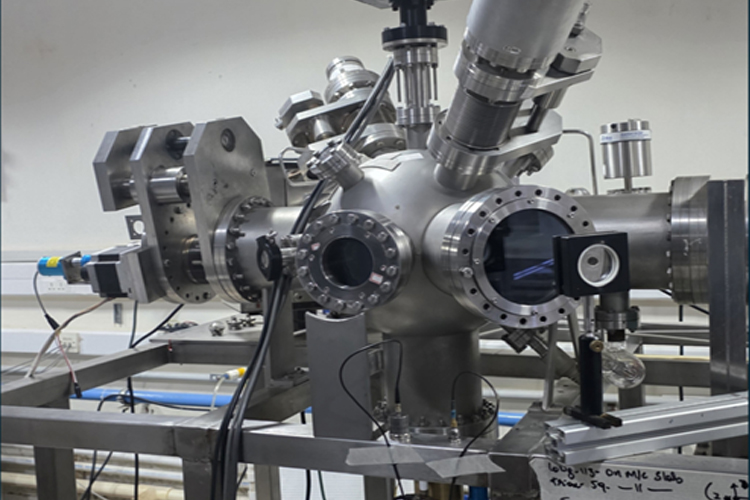
The Centre for Nano Science and Engineering (CeNSE), a leading nano science and nanotechnology research centre located at Indian institute of science (IISc), Bengaluru, hired NV Dynamics to conduct vibration assessment at their facility. The facility includes advanced clean rooms and precision instruments for research in nanoelectronics, these instruments are highly sensitive for vibrations.
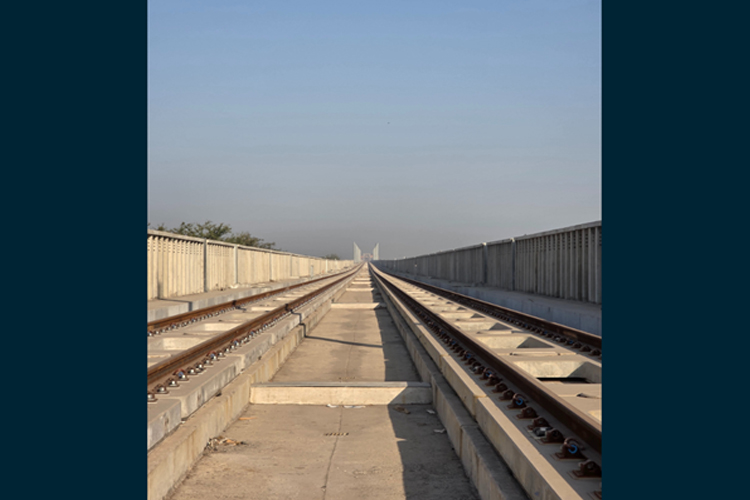
The rail/track vibration decay rate describes how vibration energy propagates and attenuates along the length of a rail. It serves as an important input parameter for railway pass-by noise measurements and prediction models.
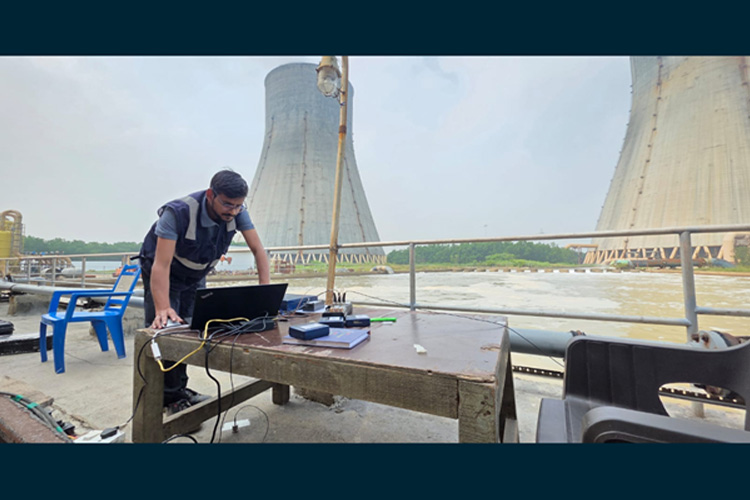
M/s Sri Damodaram Sanjeevaiah Thermal Power Station engaged NV Dynamics to conduct a vibration assessment of RCC floor slab in the water intake area of the Cooling Water Pump House. The pump house contains eight large pumps, each drawing water from individual sumps located beneath the structure. Higher vibration levels were reported in a RCC floor slab section corresponding to one of the pumps. Accordingly, the assessment was concentrated on the slab areas aligned with the pumps where higher vibration levels was observed.
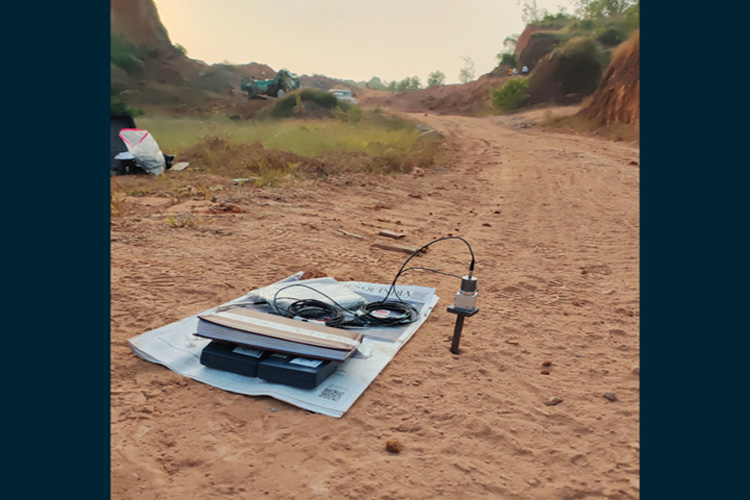
KNR Construction Limited engaged NV Dynamics to conduct a ground-borne vibration assessment for the Bengaluru–Mangaluru National Highway (NH-75) construction project in the vicinity of Bantwala town, Karnataka. The primary objective of the assessment was to quantify vibration severity levels generated by the blasting operations and to evaluate their potential impact on the structural quality and integrity of nearby residential buildings. The assessment was conducted in 2 blasting sites which comprised of 5 vibration monitoring locations. All vibration monitoring locations were positioned at an approximate distance of 75 meters from the respective blasting sites, ensuring consistency and comparability of the recorded data.
© NV Dynamics. All Rights Reserved | Design by Webbuild